Wikiparfum
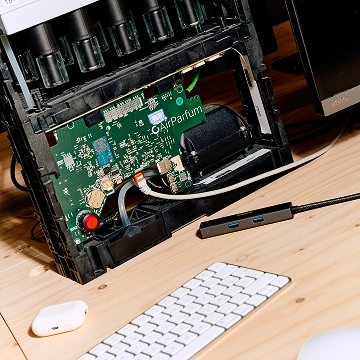
Puig had the world's best fragrance data. We turned it into a platform.
Carbon-aware computing means timing and placing computing work to use electricity when and where it's cleanest. The carbon intensity of the grid isn't constant. It swings hour by hour as wind, solar, and demand shift, and it varies widely between regions. The same job can emit far more carbon at 6pm on a still evening than it does at 3am with the wind blowing. Carbon-aware systems read that signal and act on it.
Two moves do most of the work. Time-shifting: delay flexible jobs, like batch processing, model training, or backups, until the grid is greener. Location-shifting: run that work in a data centre region where the electricity mix is cleaner right now. Both rely on live carbon-intensity data feeding the scheduler. A model training run pushed from a peak-demand afternoon to an overnight wind surge can cut its emissions sharply while finishing at the same deadline.
The constraint is honesty about what's actually flexible. A checkout API has to respond instantly and can't wait for cleaner power. A nightly report can. Carbon-aware computing works by sorting workloads into urgent and shiftable, then moving the shiftable ones without breaking anything users depend on.
We're a certified B Corp, and carbon awareness is one of the levers we reach for once a system is already lean. There's no point timing a wasteful job to run on clean power when the better fix is making it less wasteful first. We start with efficiency, then look at what can be time-shifted or moved without hurting the experience.
In our CI/CD pipelines and the infrastructure we manage, that means scheduling heavy non-urgent jobs for cleaner windows and right-sizing what runs in between. Our sustainable technology consulting brings the same thinking to client systems, mapping which workloads are flexible and which aren't. We're candid that the savings depend entirely on the workload mix, and we'd rather measure the real reduction than promise a flat percentage.
Got heavy jobs that don't need to run at peak? Let's move them to cleaner power.
Puig had the world's best fragrance data. We turned it into a platform.
A logistics company that ships to 190 countries built something to ship to itself.
Half a million people. One app. Zero chaos.