Wikiparfum
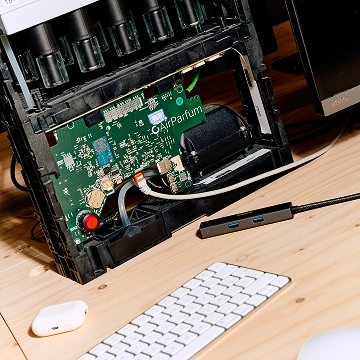
Puig had the world's best fragrance data. We turned it into a platform.
Jest is a testing framework for JavaScript and TypeScript. Built at Meta, it became the default way to test React and Node code. It runs your tests, checks the results against what you expected, and tells you exactly what broke.
Most of what a team needs comes in the box. A test runner, an assertion library, mocking, code coverage, and snapshot testing that catches unexpected changes to rendered output. Tests run in parallel and isolated, so one failing test does not poison the rest. Compared to Mocha, which leans on you to assemble assertions and mocks from separate libraries, Jest is opinionated and ready out of the box. A form component that should show an error on bad input is the kind of thing a Jest test pins down so a future change cannot quietly break it.
Jest covers unit tests and integration tests well. It is not a browser tool, so end-to-end flows usually go to Playwright or Cypress. The two layers work together. Jest guards the logic, the browser tools guard the journey.
We write Jest tests as we build, not as a cleanup pass at the end. Logic, components, edge cases. The goal is simple. A change that breaks something should fail a test before it reaches a user. That is automated testing doing its actual job.
Jest testing is one layer of how we handle quality assurance. It runs in the CI pipeline on every push, so the team knows within minutes whether a change is safe. We tune coverage to what matters rather than chasing a number, and we keep the suite fast enough that people actually run it. Tests you avoid running protect nothing.
Want a codebase where changes don't quietly break things? Let's build the test suite for it.
Puig had the world's best fragrance data. We turned it into a platform.
A logistics company that ships to 190 countries built something to ship to itself.
Half a million people. One app. Zero chaos.