Wikiparfum
Puig had the world's best fragrance data. We turned it into a platform.
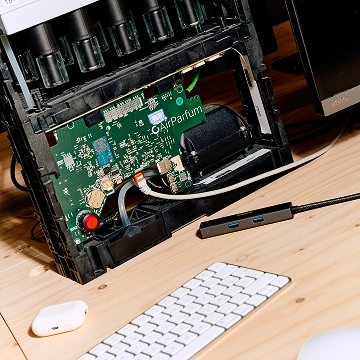
A smoke test is a quick, shallow set of checks run against a new build to confirm its most critical functions work before deeper testing starts. The name comes from electronics. Power on a new circuit board, watch for smoke, and if nothing catches fire you proceed. Software borrows the idea exactly.
A smoke test stays at the surface. Does the application start, can a user log in, do the core workflows run at a basic level. Deploy a build where the database connection string is wrong and the smoke test fails on the first screen, before anyone wastes an afternoon on detailed test cases. If the smoke test fails, the build is unstable and goes back for fixes. No further testing happens until it passes.
Being shallow is the point, not a flaw. A smoke test doesn't prove a build is correct. It proves a build is worth testing properly. That single decision saves teams from running a full suite against a release that was fundamentally broken from the start, which is why smoke tests usually run first in any serious test pipeline.
Every build that reaches our testing pipeline gets a smoke test before anything deeper runs. It's the first gate. If the core paths don't work, the build doesn't earn the team's time, and we fix it before moving on. Cheap to run, ruthless about catching the obvious.
For clients shipping frequently, this is where our quality assurance work pays for itself quietly. Automated smoke tests in CI mean a broken deploy gets flagged in seconds, not after QA has already started a full pass. Less wasted effort, faster feedback, and a clear signal on every build about whether it's safe to keep going.
Deploying often and want to catch broken builds before they cost you a day? Let's set up the first gate.
Puig had the world's best fragrance data. We turned it into a platform.
A logistics company that ships to 190 countries built something to ship to itself.
Half a million people. One app. Zero chaos.