Wikiparfum
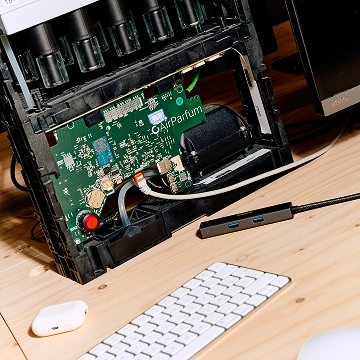
Puig had the world's best fragrance data. We turned it into a platform.
Data visualization is the practice of turning numbers into visual form so people can understand them quickly. The human eye reads a trend line in a second and a spreadsheet column in a minute, if at all. Charts, maps, and graphs translate scale and pattern into something the brain processes without effort.
The choice of form carries meaning. A line chart shows change over time, a bar chart compares categories, a scatter plot reveals correlation. Pick the wrong one and you can mislead without lying. A truncated y-axis exaggerates a tiny change into a cliff. Good visualization in data analytics follows a few rules: match the chart to the question, strip away decoration that competes with the data, and make the comparison the reader needs effortless. When a logistics company maps delivery delays by region and the map glows red along one corridor, the next meeting writes itself.
Visualization is the last step of analysis, not a coat of paint. The clearest chart in the world can't rescue a flawed dataset or a vague question. Clarity at the end depends on rigor everywhere before it.
We approach data visualization as a thinking tool, not decoration. The chart that matters is the one that changes what a client does on Monday. So we start from the decision and design the visual that makes it obvious, then handle the data analytics and visualization work end to end, from the query to the rendered view.
We've worked with global brands sitting on rich data they couldn't read. The fix was rarely a fancier chart. It was choosing the right comparison and cutting everything that distracted from it. Our data visualization services pair design instinct with engineering, so the picture is both honest and fast, and the people who need it stop guessing.
Sitting on data nobody can read? Let's make it obvious.
Puig had the world's best fragrance data. We turned it into a platform.
A logistics company that ships to 190 countries built something to ship to itself.
Half a million people. One app. Zero chaos.