Wikiparfum
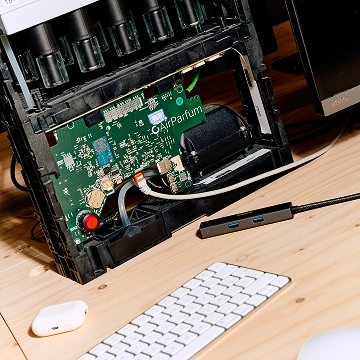
Puig had the world's best fragrance data. We turned it into a platform.
iOS is Apple's operating system for iPhone and iPad. It runs the apps, manages the hardware, and defines what a touch interface is allowed to do on an Apple device. Every app in the App Store either targets it directly or runs on top of it.
Native iOS apps are written in Swift, or older Objective-C, and built with Apple's frameworks like UIKit and SwiftUI. That gives them direct access to the camera, secure enclave, location, push notifications, and the gestures users already know. A cross-platform tool such as React Native or Flutter can also ship to iOS, trading some of that native polish for a shared codebase with Android. The difference shows up in the details. A banking app that needs Face ID, background processing, and buttery scrolling under load is the kind of project where native iOS earns its keep.
Apple reviews every submission and updates the OS on a yearly cycle, so the platform moves on its own schedule. Building well means tracking the Human Interface Guidelines, handling a tight range of devices, and shipping updates that pass App Store review the first time.
We build native iOS apps in Swift when the product needs the device underneath it. Camera, biometrics, offline storage, real performance. Our iOS app development work covers the full path, from the first prototype through App Store submission and the updates that follow.
Not every project needs native. When a client wants one codebase across iPhone and Android, we say so and pick the cross-platform route that fits. Either way the call is made with you, based on what the app actually has to do, not on what is fastest for us to write. Mobile app development is a long game, and we plan for the version after the one we are shipping.
Got an iPhone app that needs to feel native and hold up under real use? Let's talk.
Puig had the world's best fragrance data. We turned it into a platform.
A logistics company that ships to 190 countries built something to ship to itself.
Half a million people. One app. Zero chaos.