Wikiparfum
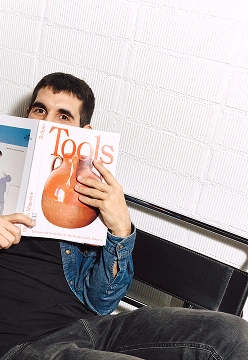
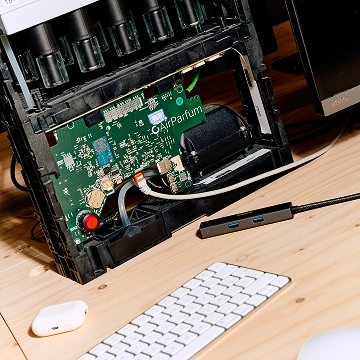
Puig had the world's best fragrance data. We turned it into a platform.
The digital divide is the gap between people who have meaningful access to digital technology and those who do not. It runs along lines of income, geography, age, and education, and it exists between countries as much as within them. A village with no broadband and a pensioner in a connected city who has never been taught to use a smartphone are both on the wrong side of it, for different reasons.
The divide has layers. The first is access: do you have a connection and a device. The second, often missed, is use: can you actually do something worthwhile once you are online, or does poor literacy, bad design, and lack of confidence leave you stranded at the door. During the pandemic, when school moved online overnight, the children without a laptop or stable wifi at home fell behind in a way that exposed how unequal that access really was.
It matters because more of life now assumes you are online. Banking, healthcare, government services, work. When essential services go digital-by-default, the divide stops being an inconvenience and starts excluding people from things they cannot opt out of needing.
We are a certified B-corp, and the digital divide is a reason we refuse to build only for the fast, the new, and the well-connected. Every product we ship that assumes a flagship phone and fibre broadband draws the line a little harder. So we build the other way. Interfaces that hold up on older devices and slow networks, accessibility that meets people where they are, plain language over jargon.
It is also where our sustainable tech work and our inclusion work meet. A lighter, more efficient product is one more people can actually run, and it costs the planet less to serve. We bring those questions to clients early, because narrowing the divide rarely means a separate project. It usually means building well in the first place, for the people at the edges as much as the centre.
Want technology that reaches the people most products leave behind? Let's talk.
Puig had the world's best fragrance data. We turned it into a platform.
A logistics company that ships to 190 countries built something to ship to itself.
Half a million people. One app. Zero chaos.