Wikiparfum
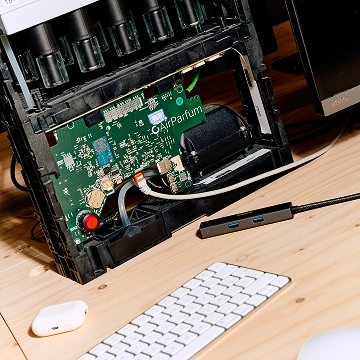
Puig had the world's best fragrance data. We turned it into a platform.
A user flow is the path a person takes through a product to complete a single task. Sign up. Reset a password. Buy a pair of shoes. Each flow lays out the screens, decisions, and actions in the order they happen, so a team can see exactly where someone moves forward and where they get stuck.
People confuse user flows with user journeys, and the two are not the same. A journey covers the whole relationship with a brand across time and channels, including emotions and motivations. A flow is narrower and more literal. It tracks one task, screen by screen, branch by branch. A checkout flow might split at "guest or account," then again at "saved card or new card," and every branch is drawn out so nothing gets assumed.
Designers build flows before they build screens. A flow shows that a five-step signup could be three, or that an error state has no way back to the form. Catching that on a diagram costs minutes. Catching it after launch costs a release.
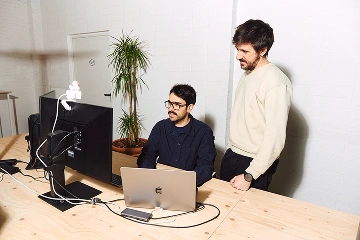
We map flows early, with the client in the room. Before any interface gets designed, we walk the task end to end and agree on what each step is for. That conversation surfaces the dead ends and the redundant screens while they are still cheap to fix.
Flows also give our UX research and user experience design work something concrete to test against. When usability testing shows people dropping off at a step, we go back to the flow and find out why, then change it and check again. The diagram stays alive through the project, not filed away after kickoff.
Got a task in your product that people keep abandoning? Let's map it.
Puig had the world's best fragrance data. We turned it into a platform.
A logistics company that ships to 190 countries built something to ship to itself.
Half a million people. One app. Zero chaos.